
Trusted by millions of holders around the world
HARDWARE WALLET · SELF-CUSTODY · WEB3 ACCESS
Own Your Keys,
Own Your Crypto Future
A Ledger hardware wallet keeps your private keys sealed inside a certified secure element, completely disconnected from the internet. Paired with the Ledger Wallet app, it becomes a single control center for Bitcoin, Ethereum, stablecoins, NFTs and multi-chain portfolios. Balances are visible in one place, while every transfer, swap and approval still has to be checked and physically confirmed on the device screen — the everyday shield for long-term holders, DeFi users and anyone building on Web3.

A decade of experience in digital asset self-custody
On-device signing that keeps remote attackers out
Your Portfolio at a Glance
Track multi-chain balances, live prices and past transactions in one clean view inside Ledger Wallet — so you always know exactly where your assets sit.
Do More Without Giving Up Control
Buy, swap, stake and open Web3 apps from the same place — convenience handled by the app, authority retained by your device.
Keys That Never Leave the Device
Your private keys stay locked in the secure element. Every signature happens on the hardware itself, so nobody else can move your funds.
Get Started
Three Steps to Full Self-Custody
Hardware Wallets
Pick the Device That Fits the Way You Hold
Every Ledger device does the same essential job — keeping your keys offline and your signatures verified — and each one brings its own balance of screen size, portability and price.
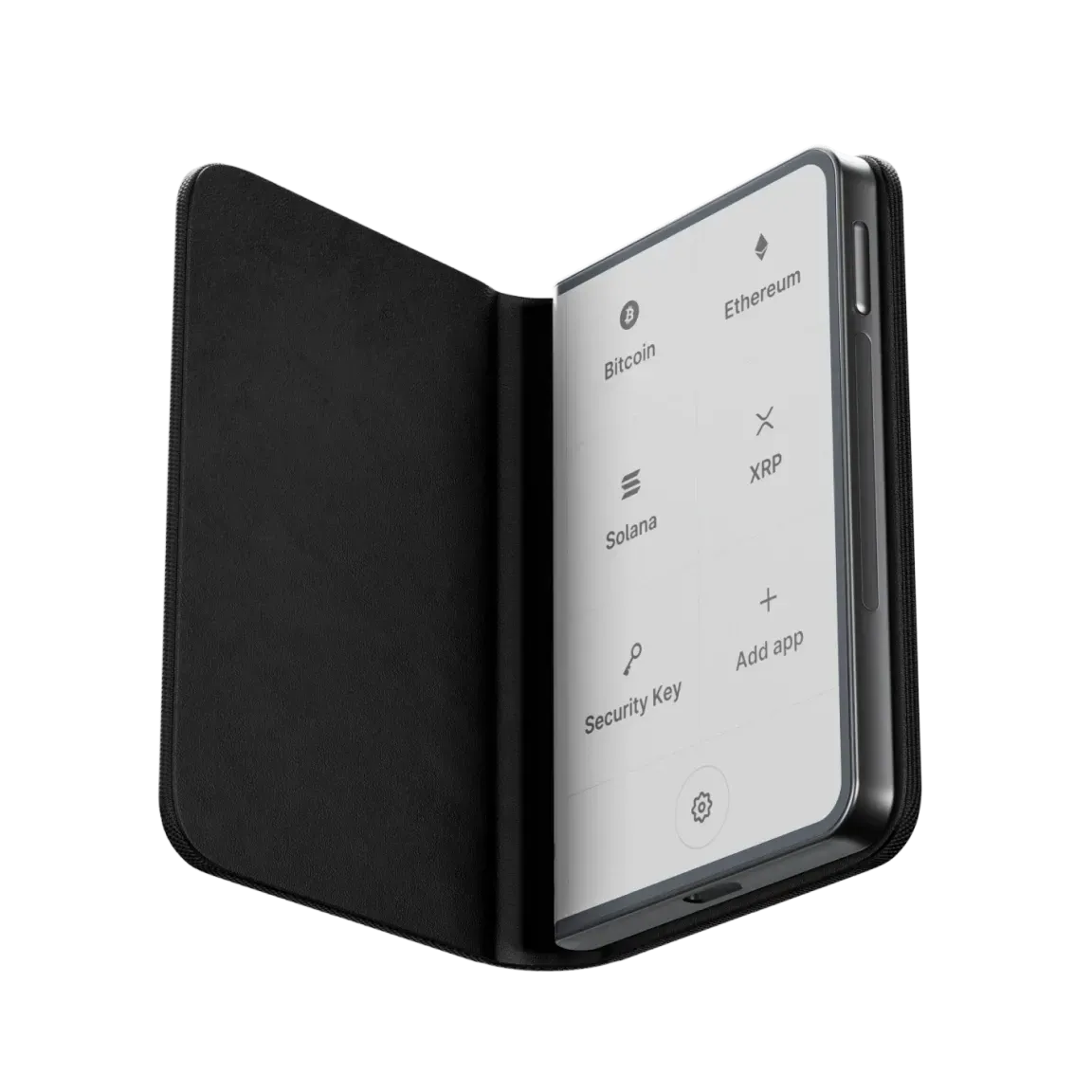
Ledger Stax™
3.7" curved E-Ink displayA big, readable screen built for NFT viewing and detailed transaction review. You see every field clearly before you approve it — hardware wallets, reimagined.
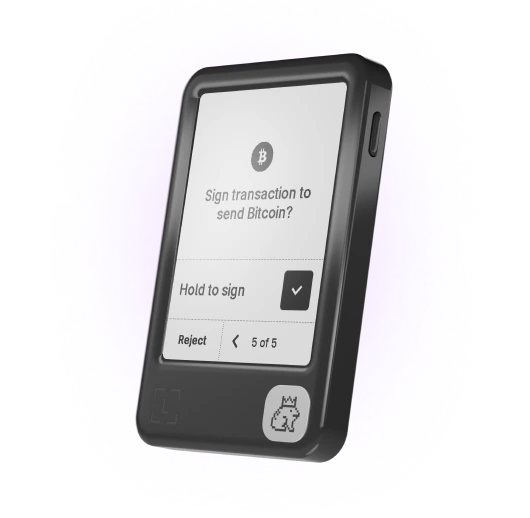
Ledger Flex™
2.8" touchscreenMade for people who sign often and want it done quickly. A touchscreen experience that keeps the security intact while cutting the friction for newcomers and veterans alike.
New
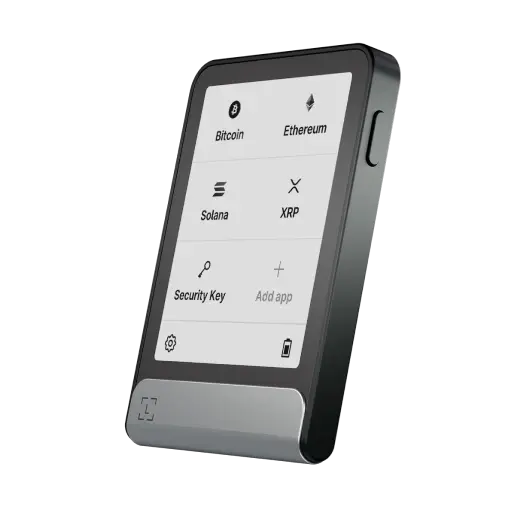
Ledger Nano™ Gen5
2.8" lightweight screenSmall enough to carry, serious enough to rely on. A practical companion for daily portfolio checks, long-term storage and multi-chain activity.
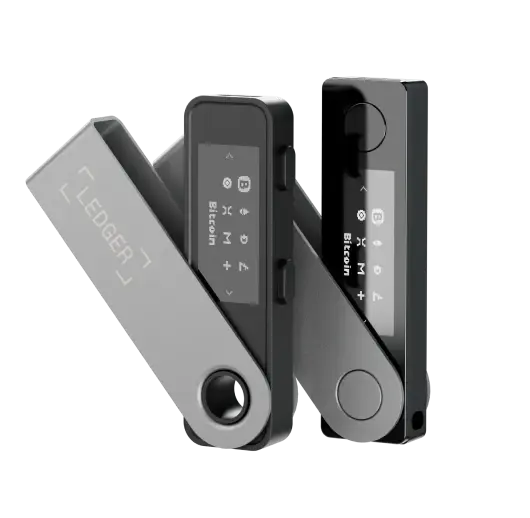
Ledger Nano™ Classic
1.1" screenThe proven cold storage workhorse. Swap, stake and hold for the long term from a device that has already earned its reputation.
Asset Coverage
Bitcoin, Ethereum, Stablecoins and Thousands of Multi-Chain Assets
Manage Bitcoin, Ethereum, Solana, XRP, USDT, NFTs and many more through Ledger Wallet. Coverage keeps growing with network upgrades, app releases and new integrations from official partners.
WALLET
What Exactly Is Ledger Wallet?
Ledger Wallet™ is the app layer of your self-custody setup — a single place to buy, swap, stake and spend, with security ultimately anchored by your Ledger hardware device. The app prepares transactions; your device approves them.
Download Ledger Wallet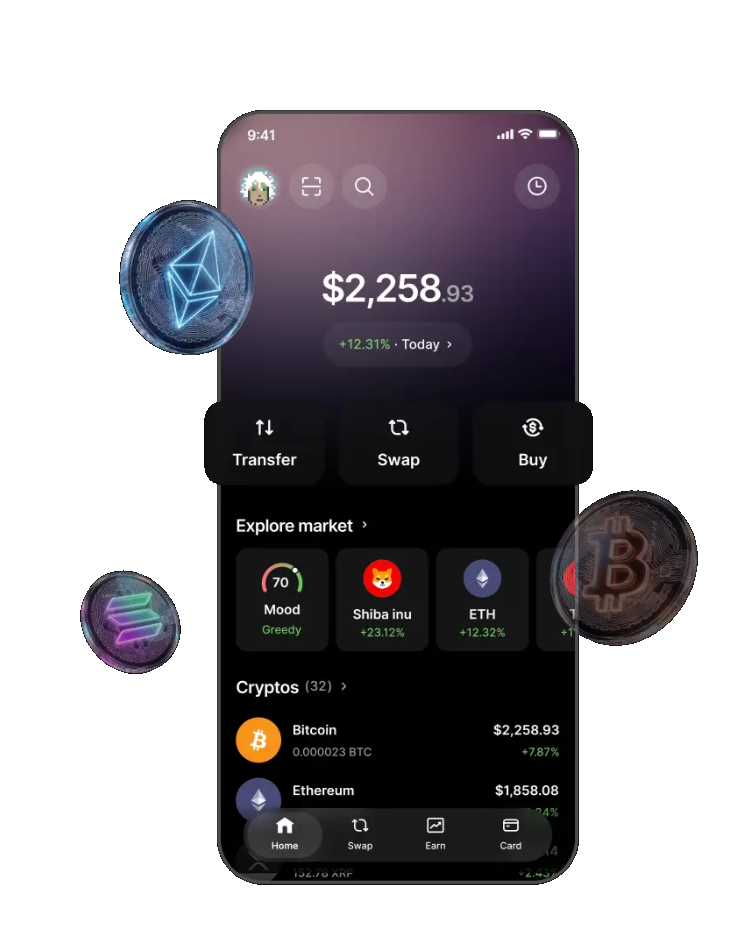
PAYMENTS
Spend Crypto Where You Already Shop
Pay for everyday things straight from your self-custody accounts, and keep the same discipline you use everywhere else: check the network, the destination address, the amount and the approval scope on your device before anything goes through.
Download Ledger Wallet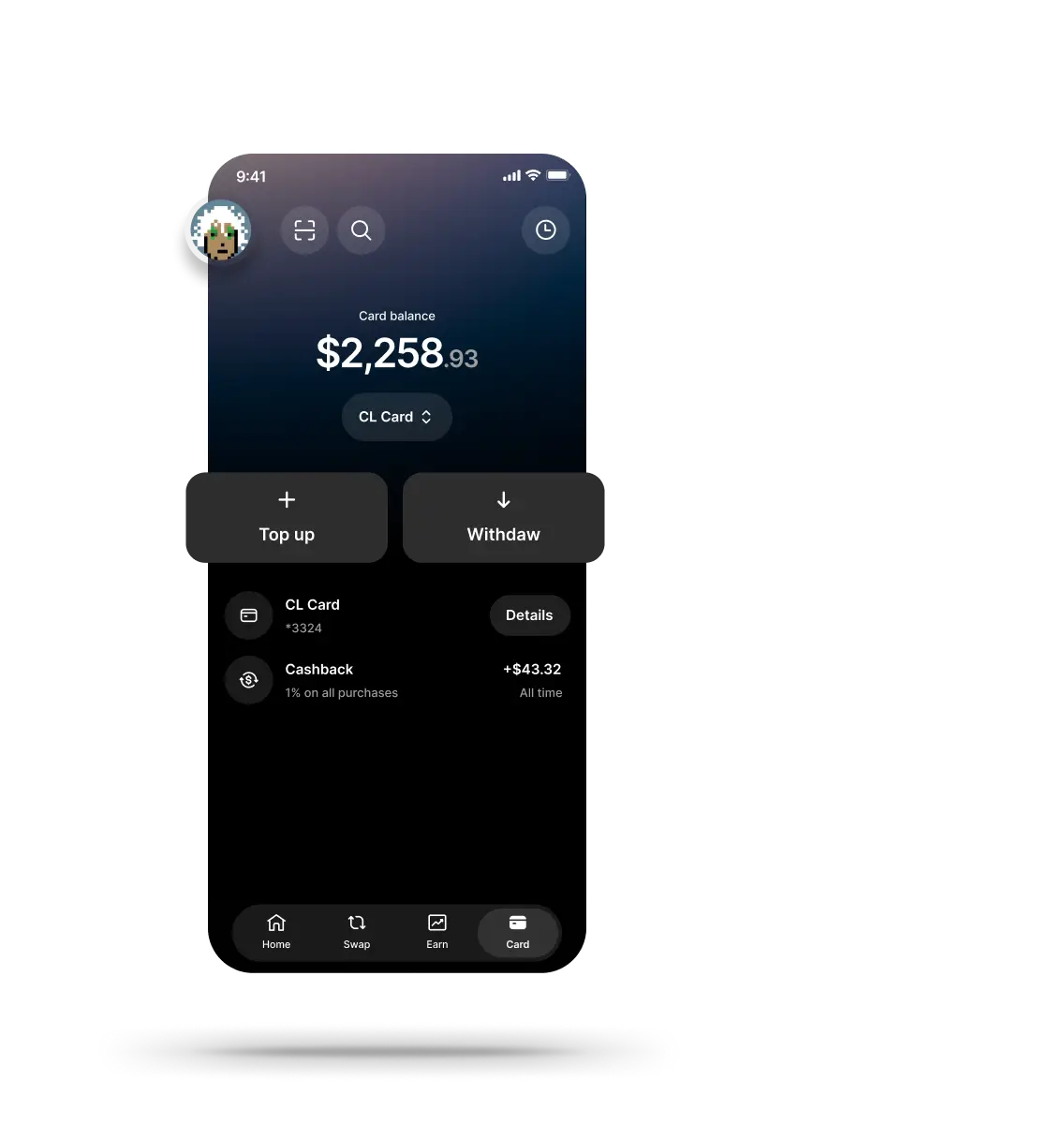
Swap & Liquidity
Swap Across Chains, Connect to DeFi — Carefully
Compare routes, execute swaps and connect to DeFi apps on multiple networks from Ledger Wallet. Hardware signing does not remove every on-chain risk, but it does cut private key exposure and catch the kind of mistaken approvals that cost people real money.
Download Ledger Wallet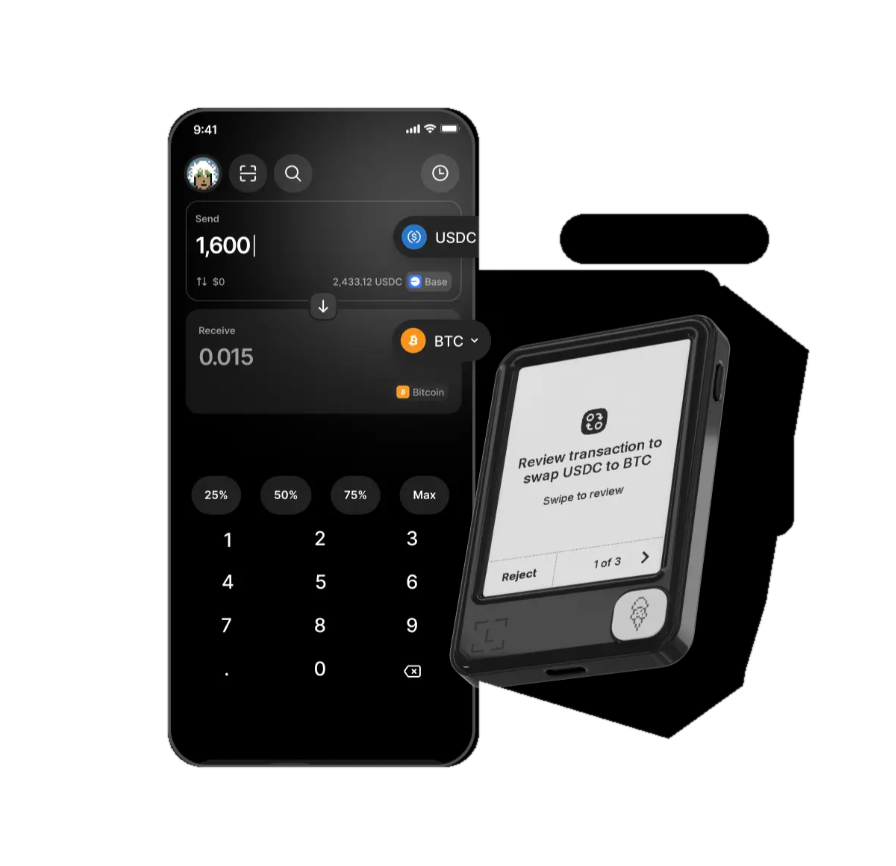
Frequently Asked Questions
Short, straight answers about Ledger devices, the Ledger Wallet app, self-custody, seed phrase safety and DeFi risk.
Ledger builds self-custody tools for digital assets. The hardware wallet stores your private keys offline, and the Ledger Wallet app gives you a familiar interface for viewing and using your assets.
Instead of handing your coins to a platform, you keep the keys and the control. Anything that moves funds has to be reviewed and approved on the device itself.
That setup suits long-term holders, people active across several chains, DeFi users, and anyone who would rather not depend on a third party's solvency or security.
Security rests on two things working together: keys stored offline, and signatures produced on the device. Your private keys live inside a certified secure element and are never handed to your computer, phone or browser extension.
Before any transfer, swap or approval executes, you review the destination address, network, amount and permission scope on the hardware screen and confirm with a physical press.
That said, no device replaces your own caution. Malicious contracts, phishing pages and a leaked recovery phrase remain real threats — treat awareness as your first line of defense.
Ledger Wallet is the software: it shows your balances, prepares transactions and connects to Web3 services. The Ledger hardware wallet is the physical device that holds the keys and authorizes signatures.
You do the browsing, buying, swapping and staking in the app — but nothing that requires a signature completes until it is confirmed on the device.
Working together, they give you the convenience of an app without ever putting your keys online.
An exchange wallet is custodial: the platform holds the keys, and you hold a claim. A Ledger wallet is self-custodial: the keys are yours, and so is the responsibility.
Self-custody removes counterparty risk — no frozen withdrawals, no waiting on a company's solvency — but it also means you own your backup and approval habits.
Plenty of people do both: keep spending funds on an exchange and move long-term holdings to hardware for isolation.
Bitcoin and Ethereum are usually the largest and longest-held positions in a portfolio, which makes them the most attractive targets. Moving those keys off exchanges and hot wallets removes a whole category of risk.
Because large transfers and frequent transactions both benefit from careful review, confirming addresses and amounts on a dedicated screen adds meaningful protection.
A good habit: send a small test amount first, then verify every detail on the device before moving the rest.
Your recovery phrase is the master key to your wallet. Keep it offline. Never photograph it, never store it in the cloud, never type it into a website or app, and never share it with anyone.
Write it on the recovery sheet provided or stamp it into a metal backup, keep copies in separate secure locations, and check periodically that your backups are still legible and complete.
Anyone asking for your recovery phrase — whether they claim to be support, an airdrop, or a technical team — is running a scam. Cut contact immediately.
Ledger supports Bitcoin, Ethereum, Solana, XRP, USDT, NFTs and a broad range of multi-chain tokens, covering the major networks and asset types.
Depending on the asset, you may need to set up the relevant account in Ledger Wallet or a compatible service, and some networks require installing a separate app.
Coverage changes as apps update and networks upgrade, so always double-check that the asset, network and address all match before you send anything.
Connecting through Ledger sharply reduces private key exposure, but it does not remove the risks built into DeFi itself: contract bugs, phishing sites, malicious approvals and market swings.
Before connecting to any DApp, check where the site actually comes from, what permissions it wants, how much it can spend, and what you are signing. Never approve blindly.
A practical approach: keep long-term holdings apart from DeFi funds, test with small amounts, and review and revoke old approvals regularly.